Brent at $91 Amid Hormuz Standoff, UAE-Iran Tensions
Oil prices climb as the UAE-Iran rift and Hormuz blockade tighten global supply. Market reacts to sector implications and valuation impact.
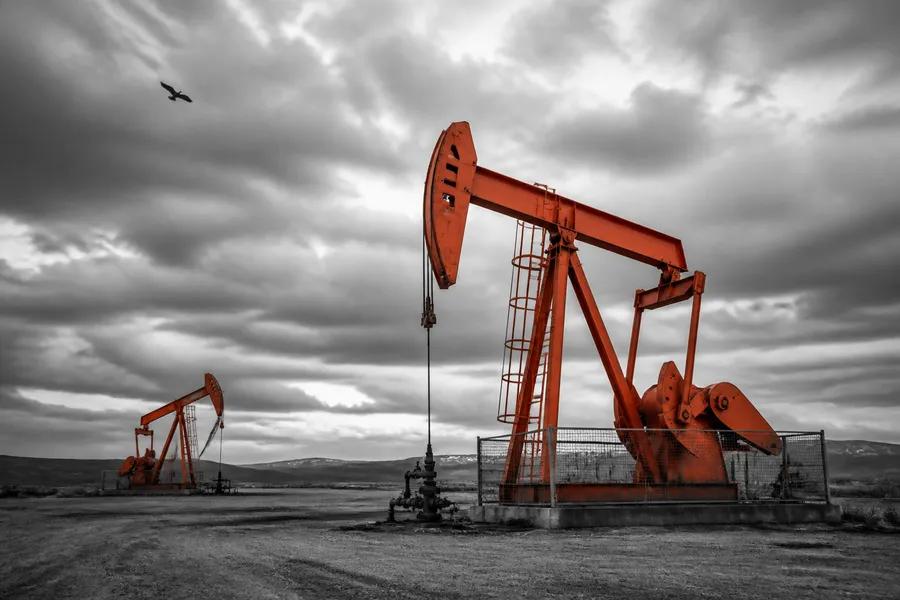
Crude benchmarks extended a five-session winning streak on Thursday, with Brent rising 0.28% to $91.87 a barrel as a deadlocked U.S.-Iran war and a new UAE financial embargo on Tehran rattled Middle East supply expectations.
With roughly one-fifth of global oil consumption historically transiting the Strait of Hormuz - a waterway now running well below pre-war shipping volumes - any prolonged stalemate carries direct implications for refinery margins, fuel inventories, and energy-sector earnings worldwide 1.
Key Takeaways
- Brent and WTI posted a fifth consecutive daily gain Thursday.
- UAE suspended all financial ties with Iran, escalating Gulf tensions.
- U.S. distillate inventories fell for a third straight week.
Market Reaction & Context
Brent crude futures for October delivery settled at $91.87 a barrel by 0439 GMT, up 26 cents, while the front-month U.S. West Texas Intermediate (WTI) contract for September added 17 cents to $86.00 1. The more actively traded October WTI contract rose 12 cents, or 0.13%, to $89.91.
Both benchmarks closed Wednesday at their highest levels since July 24, capping a four-session rally before Thursday's further advance. The September WTI contract expired Thursday, transferring market focus to the October strip.
Detailed Analysis
The war between the United States and Iran, which began on Feb. 28, has steadily eroded crude flows through the Strait of Hormuz, previously the conduit for roughly 20% of global oil consumption 1. Latest shipping data showed traffic through the waterway on Wednesday was unchanged from the prior day, reflecting a conflict still without a diplomatic off-ramp 1.
Complicating the picture further, the United Arab Emirates announced it was suspending all financial and economic transactions with Iran until further notice, reigniting long-running tensions between the Gulf's largest Arab economy and Tehran 1. The move refocused investor attention on the region's web of rivalries, which now risks drawing in additional Gulf producers.
On the demand side, the Energy Information Administration reported Wednesday that U.S. distillate stockpiles - encompassing diesel and heating oil - fell for a third consecutive week, reflecting tighter refined-product supply as the war limits crude availability to refiners 1. However, headline U.S. crude inventories rose by 4.4 million barrels in the week ended August 14, well above the 600,000-barrel draw analysts had forecast, providing some counterweight to the supply-disruption narrative.
Outlook & Analyst Commentary
"Oil prices remained elevated as the market is supported by sporadic attacks in the Middle East but lacks fresh momentum without a major escalation," said Hiroyuki Kikukawa, chief strategist of Nissan Securities Investment, a unit of Nissan Securities 1.
Kikukawa added that prices are "likely to maintain a gradual upward trend given uncertainty over peace talks and tensions involving the United Arab Emirates, Oman and Iran" 1. President Donald Trump said Tuesday that no negotiations with Iran were under way and that the Strait of Hormuz was open; Iran disputed that characterisation, saying the waterway remained shut 1.
Conclusion
With peace talks stalled, the UAE-Iran financial embargo adding a new fault line, and distillate stocks sliding for a third week, the near-term supply backdrop remains supportive of elevated crude prices. A material de-escalation or a surprise inventory build would be the clearest catalysts to watch for a reversal of the current trend.
Not investment advice. For informational purposes only.